Play After the Inferno
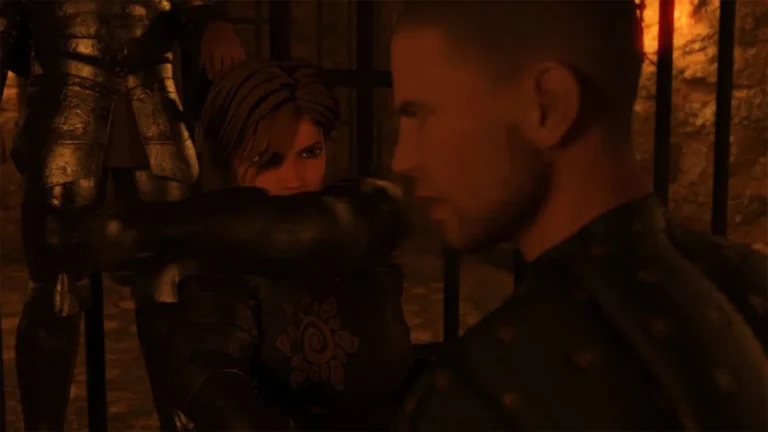
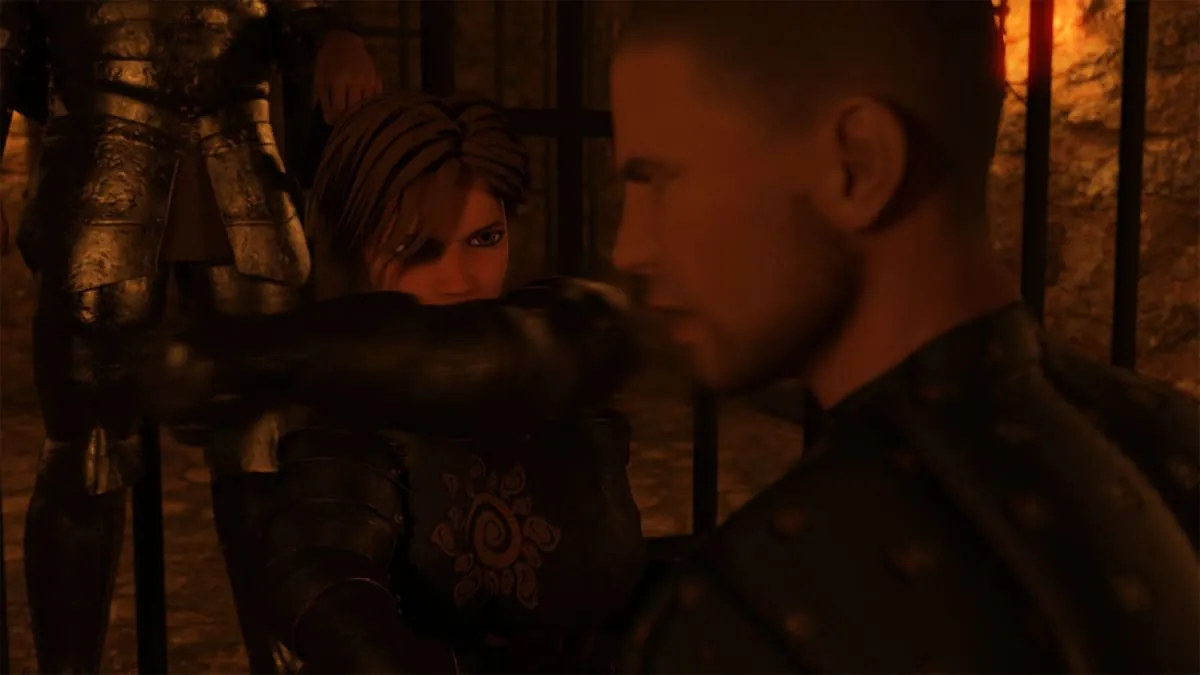
After the Inferno Screenshots
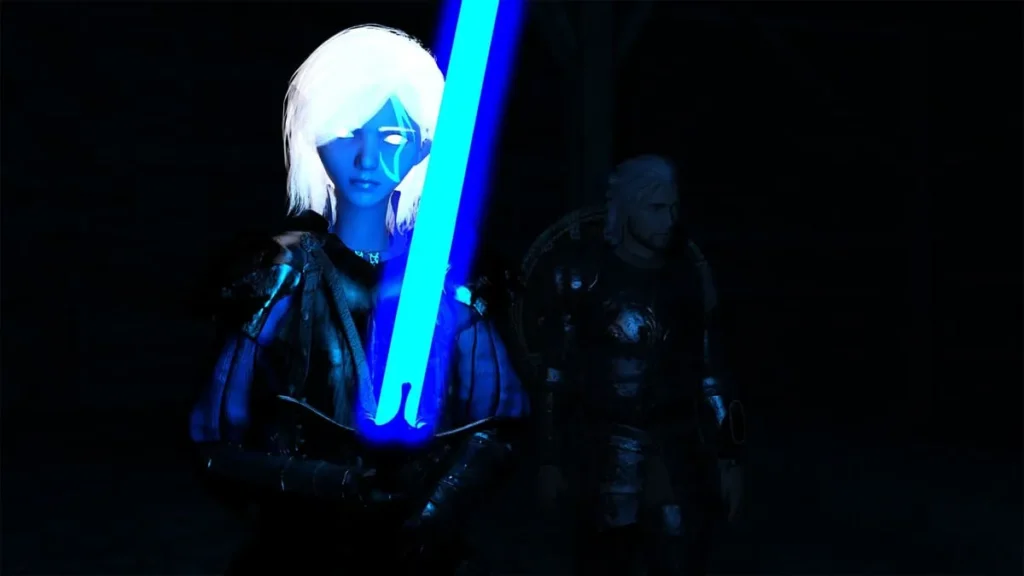
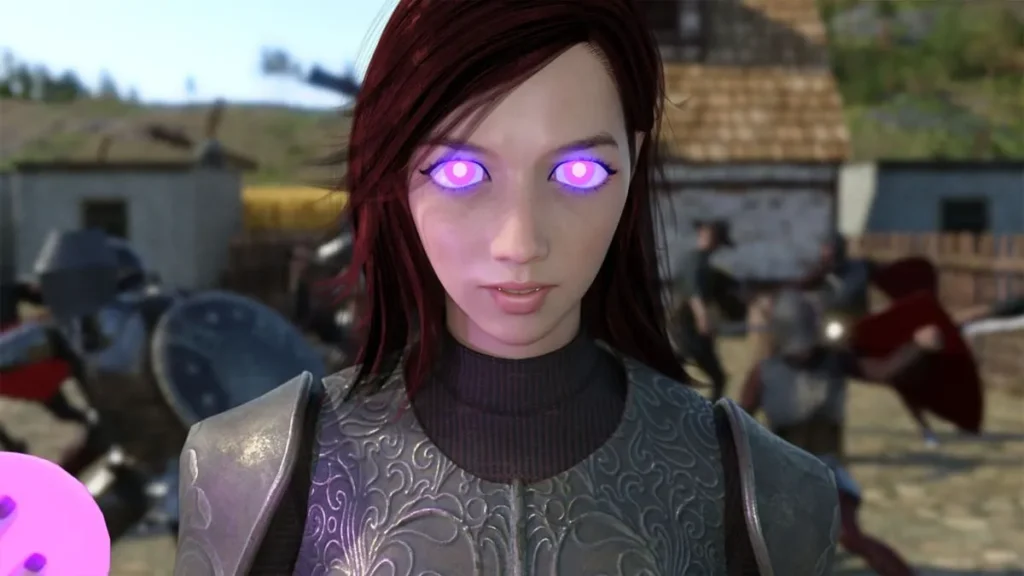
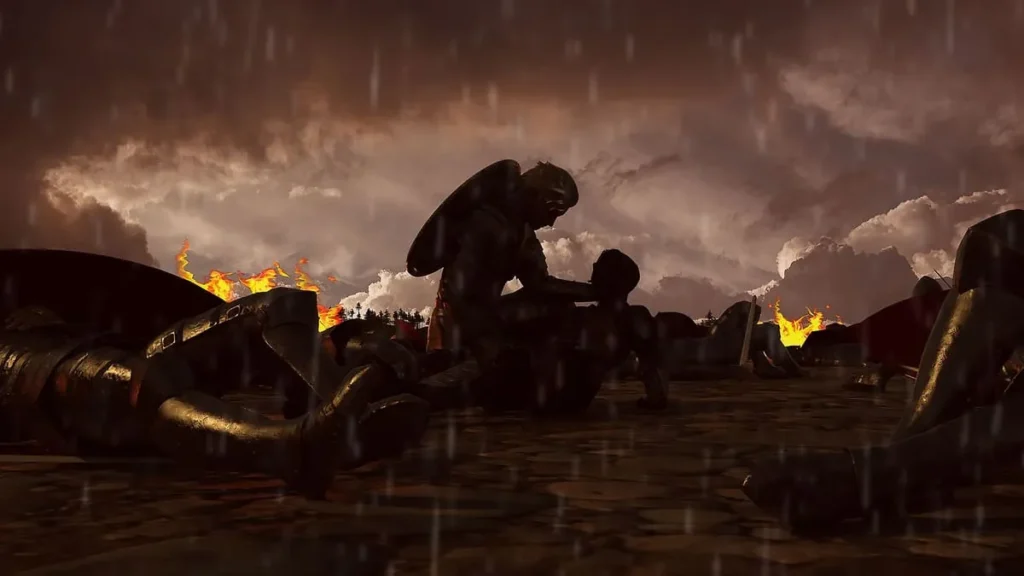

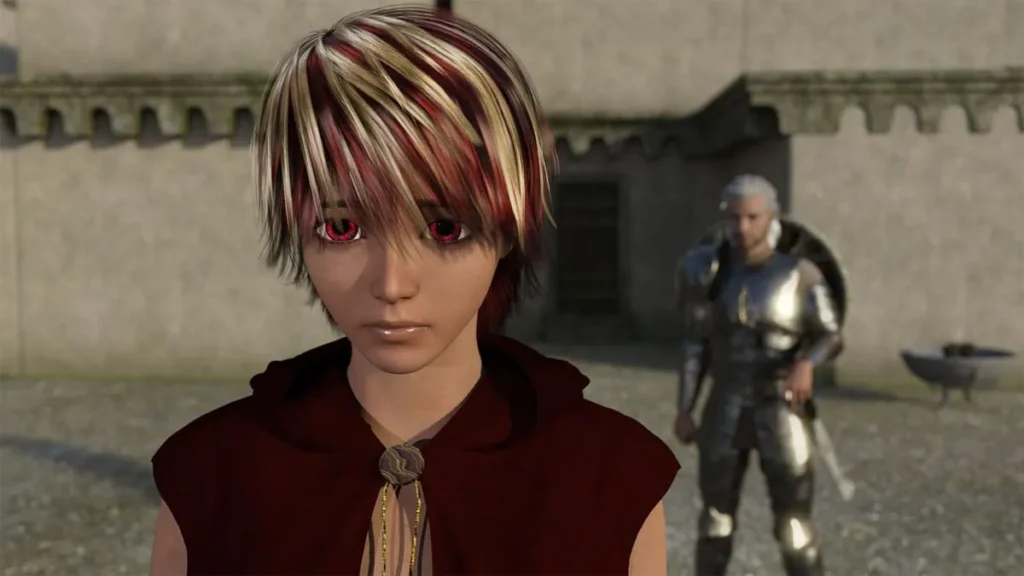
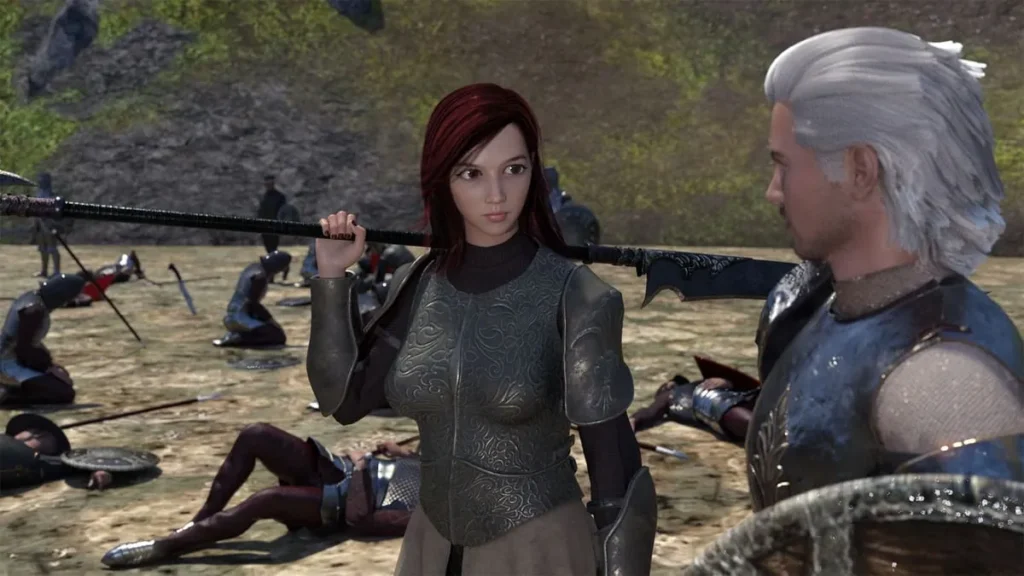
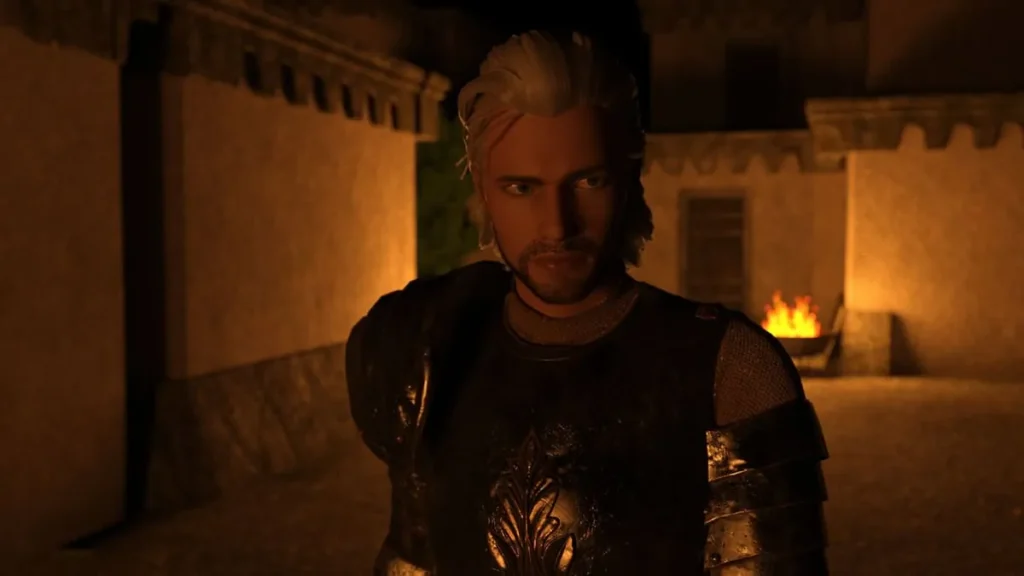
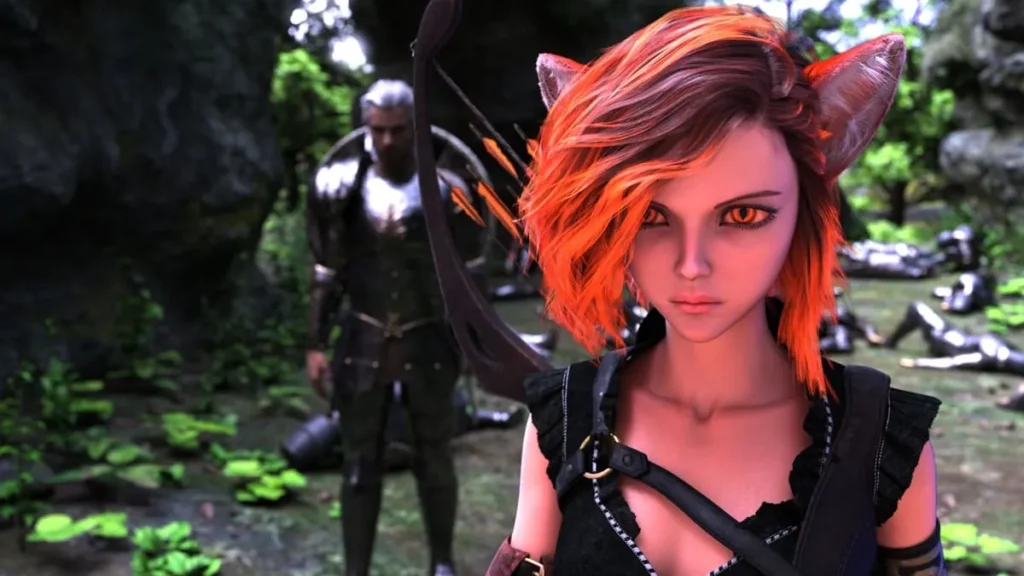
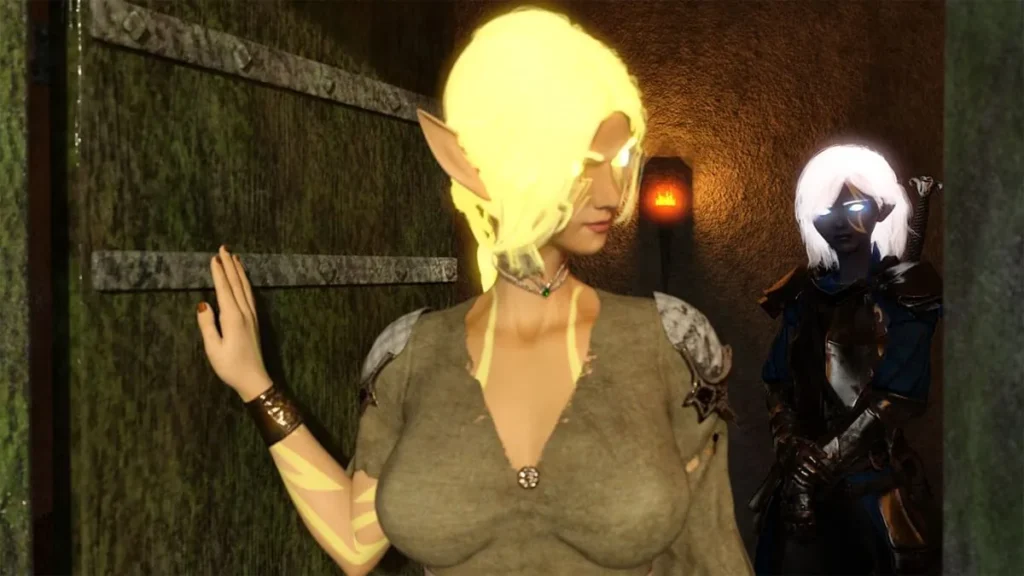
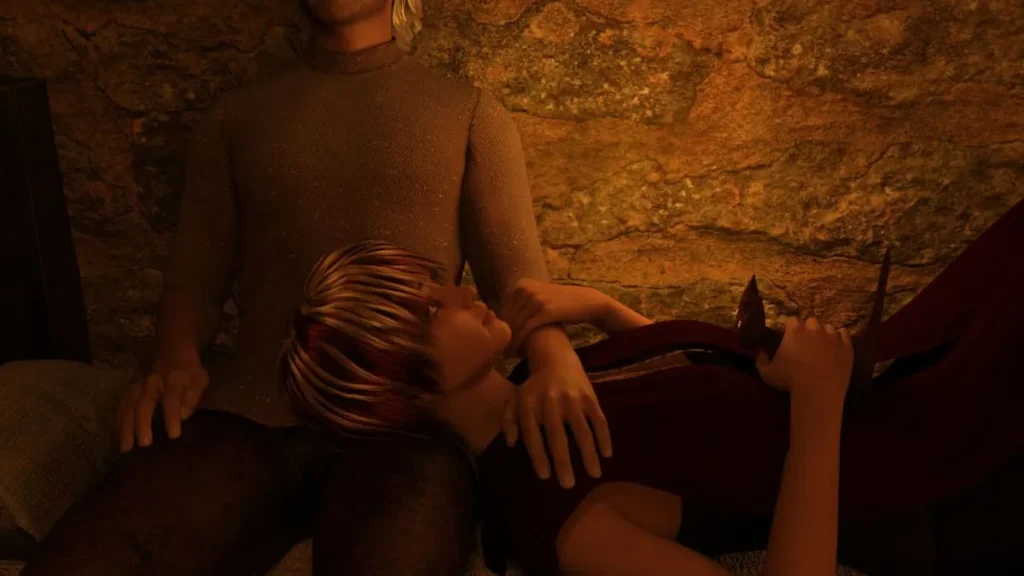
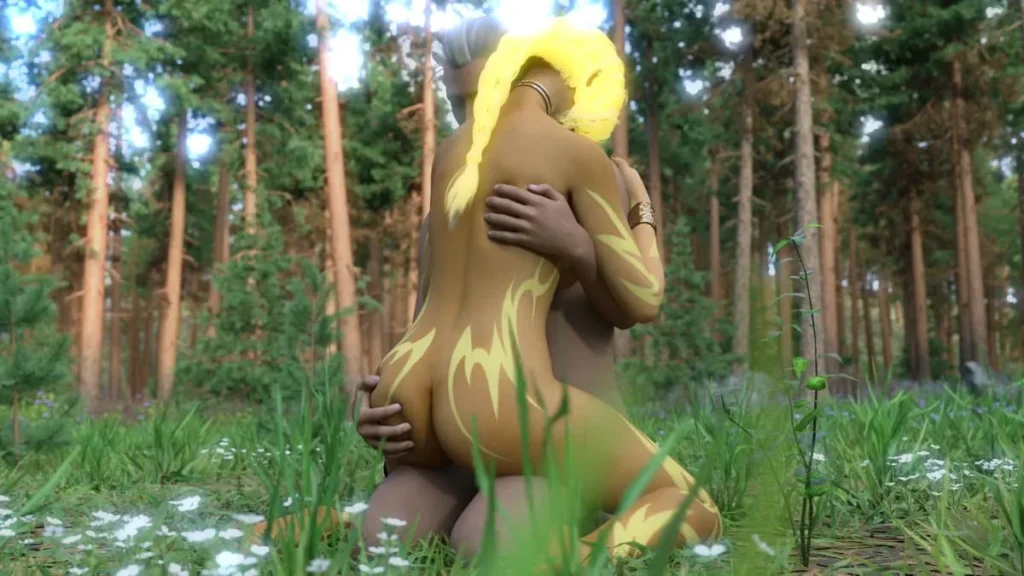
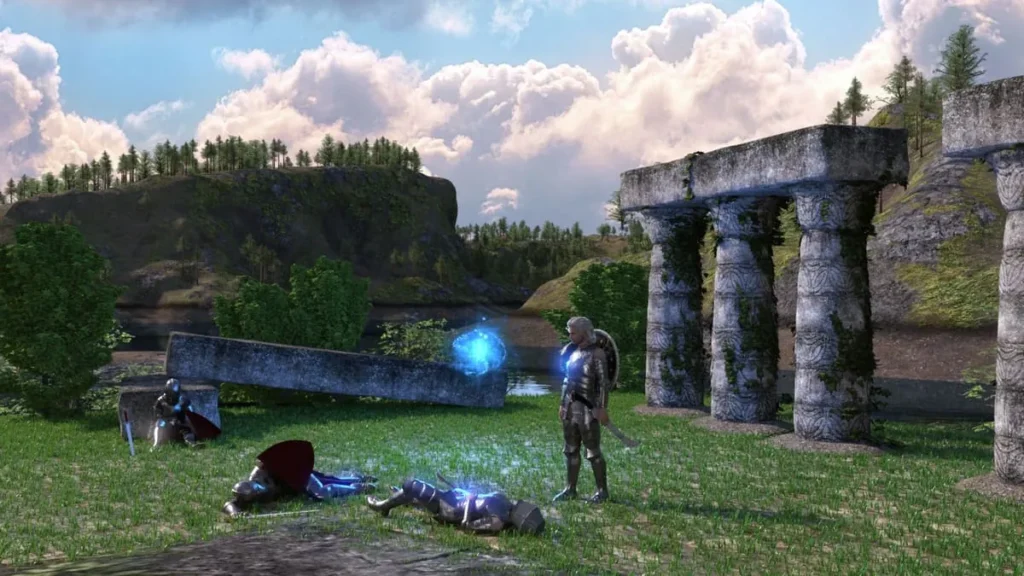
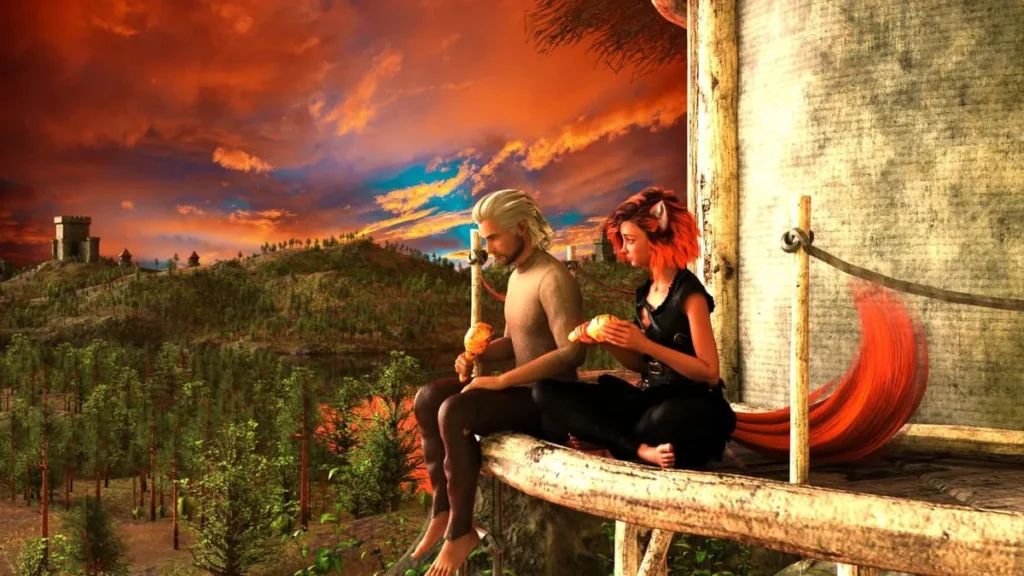
After the Inferno review
Explore the Story, Gameplay, and Unique Features of After the Inferno
After the Inferno is a captivating visual novel game known for its rich narrative and engaging animated scenes. This article dives into the game’s story, gameplay elements, and unique features that attract a dedicated audience. Whether you’re curious about the plot or the interactive experience, this guide offers a comprehensive overview to help you understand what makes After the Inferno a standout title in its category.
Exploring the Story and Narrative Depth of After the Inferno
Let’s be honest, sometimes you boot up a visual novel and you just know it’s going to be a shallow ride. 😴 Pretty art, a few flirtatious lines, and not much else to sink your teeth into. I’ve been there, and it’s why I was so pleasantly shocked by After the Inferno. This isn’t just a dating sim with a fantasy skin; it’s a legitimately gripping, character-driven saga that pulls you into its world and doesn’t let go. 🧲
The heart of its power? The After the Inferno story. It’s a narrative that respects your intelligence, tackles mature themes head-on, and, most importantly, makes every one of your decisions feel like it genuinely matters. If you’re looking for a rich visual novel narrative with real weight, you’ve come to the right place. Let’s pull back the curtain and explore what makes this story so compelling.
What is the Core Plot of After the Inferno?
At its heart, the After the Inferno plot summary is a tale of rebirth, responsibility, and finding your place in a world you no longer recognize. You step into the worn boots of Devran, a legendary hero who once saved the kingdom from a cataclysmic demonic invasion—a period grimly known as “The Inferno.” 🗡️🔥
But that was thirty years ago.
The game doesn’t start with fanfare and glory. It begins with Devran waking from a magical, decades-long slumber. The world has moved on, peace has settled (somewhat awkwardly), and our hero is a relic—a living myth struggling with severe memory loss and a profound sense of displacement. The kingdom that once hailed him is now a complex place of political intrigue, lingering prejudices, and new threats that don’t always wear a monstrous face.
The core Devran character story is his journey to rebuild, not just a kingdom, but a life. You guide him as he reconnects with old allies, now aged and changed, and forges bonds with a new generation who know him only from songs and statues. This personal struggle against obsolescence and trauma is what grounds the entire experience. You’re not just managing stats; you’re helping a man piece together his identity while deciding what kind of leader—and person—he wants to be in this new era.
It’s a brilliant setup for an interactive storytelling game, because every interaction is filtered through this lens of being a stranger in a once-familiar land.
How Does the Narrative Develop Through Player Choices?
This is where After the Inferno truly shines and separates itself from the pack. The player choice impact here is not an illusion; it’s the engine of the entire narrative. 🎮✨ The game masterfully uses a visual novel narrative structure where your decisions, big and small, send ripples through the story, affecting relationships, plot threads, and even the game’s ending.
You’re not just picking “nice,” “funny,” or “romantic” dialogue options. You’re making political stands, choosing which community issues to prioritize, and deciding how Devran engages with his own past. Should you aggressively reclaim your heroic status, or humbly try to integrate as a regular citizen? Do you focus on rebuilding military strength, or pour energy into diplomacy and economic aid? These choices shape how characters perceive Devran, which story arcs become available, and ultimately, the fate of the kingdom.
For instance, early on, you might encounter a dispute between returning war veterans and the merchants who thrived during the peace. Your response doesn’t just give you points with one faction; it can lock or unlock entire character routes and future story events. It makes the world feel alive and responsive.
To give you a clearer picture of how this branching works, here’s a breakdown of some pivotal narrative junctions:
| Story Arc Focus | Example Player Choice | Potential Narrative Outcome |
|---|---|---|
| Political Alignment | Supporting the Crown’s centralized authority vs. advocating for regional council rule. | Unlocks different advisor characters, changes available missions, and alters the final political landscape of the kingdom. |
| Personal Reconciliation | How Devran addresses his past failures with old comrades. | Can lead to deepened loyalties, bitter rivalries, or even the tragic loss of a potential ally from your inner circle. |
| Romantic Relationship Path | Investing time and consistent choices toward a specific character. | Unlocks deeply personal story scenes that explore the character’s past, leading to a unique romantic ending that blends with the main plot resolution. |
| Kingdom’s Moral Compass | Choosing mercy or ruthless efficiency when dealing with criminals or former cultists. | Influences the public’s trust in Devran, affects troop morale, and can lead to unexpected consequences (like redeemed allies or vengeful enemies) later. |
The genius is that these intimate moments are woven into the larger tapestry of the After the Inferno story. They feel like a natural part of Devran’s journey to reconnect and build a new life, rather than a disconnected “reward.” And crucially, pursuing these deeper bonds is always optional. You can experience the full, rich main plot without them, which makes the choice to engage feel personal and meaningful, not mandatory. ❤️⚖️
What Themes and Motifs Are Present in the Story?
The game themes After the Inferno explores are what elevate it from a simple fantasy romp to a story with real resonance. It’s not afraid to get its hands dirty with complex, adult subject matter.
- The Burden of Legacy & Identity: This is the big one. Devran isn’t a blank slate; he’s a man crushed under the weight of his own legend. The game constantly asks: “Who are you when your greatest achievement is a memory everyone else has moved past?” Seeing him navigate this—whether by embracing the legend, rejecting it, or redefining it—is incredibly compelling.
- The Cost of Peace: The kingdom after The Inferno isn’t a utopia. It’s a place grappling with trauma, economic disparity, and the messy transition from wartime to peacetime society. The story thoughtfully explores how “winning” a war is just the beginning, and the real challenge is building a sustainable peace. 🕊️🏗️
- Found Family & Reconciliation: With his biological family gone, Devran’s journey is about building a new one. This ties directly into the player choice impact, as you decide which relationships to mend from the past and which new bonds to forge. The themes of forgiveness, loyalty, and choosing your own kin are central.
- Cultural Integration & Prejudice: The aftermath of a demon war creates fascinating social tensions. How do societies treat half-demons or those touched by infernal magic? The narrative doesn’t shy away from these allegories, using its fantasy setting to explore real-world issues of prejudice and integration.
Playing through After the Inferno felt less like completing a game and more like guiding a living, breathing person through a critical chapter of his life. The depth of the After the Inferno story and the tangible player choice impact create a powerful loop of engagement: you care because your choices matter, and your choices matter more because you care. It’s a masterclass in interactive storytelling game design, proving that a visual novel can be as deep, challenging, and emotionally rewarding as any other narrative genre. If you’re ready for a story that will challenge your heart and your mind, Devran’s journey awaits.
After the Inferno offers a compelling blend of narrative depth and interactive gameplay that appeals to fans of visual novels seeking more than just surface-level entertainment. Its rich story, combined with meaningful player choices and optional animated scenes, creates a unique experience that respects player agency. Whether you are drawn by the story or the immersive gameplay, After the Inferno stands out as a memorable title worth exploring. Dive in and discover the many layers this game has to offer.