Straitened Times
Play Straitened Times
Straitened Times Screenshots
















Straitened Times review
In-depth walkthrough and tips for navigating Straitened Times gameplay
Straitened Times is a complex interactive game that combines narrative depth with strategic gameplay. This guide dives into the core mechanics, character interactions, and progression strategies to help you fully enjoy the experience. Whether you’re new or looking to optimize your playthrough, understanding the nuances of Straitened Times will enhance your journey and unlock all possible routes.
Understanding Straitened Times Gameplay Mechanics
Ever loaded up a new game, full of hope, only to have your plans completely unravel by dinner time on the first virtual day? 😅 That was me with Straitened Times. I went in thinking it was a simple resource manager, but I quickly learned it’s a delicate web of human emotion and strategic choice. My first run ended in a spectacular blow-up between characters, resulting in an early game over screen that felt brutally unfair. But that’s the magic of it. Straitened Times gameplay isn’t about hoarding supplies; it’s about managing people under immense pressure.
This game mechanics guide will help you understand the engine under the hood. We’ll break down how your choices ripple through the household, how to read the subtle signs of brewing trouble, and how to steer the story toward survival—or toward the unique conclusions you want to see. Consider this your foundation for mastering one of the most nuanced conflict management game experiences available.
Core Game Structure and Objectives
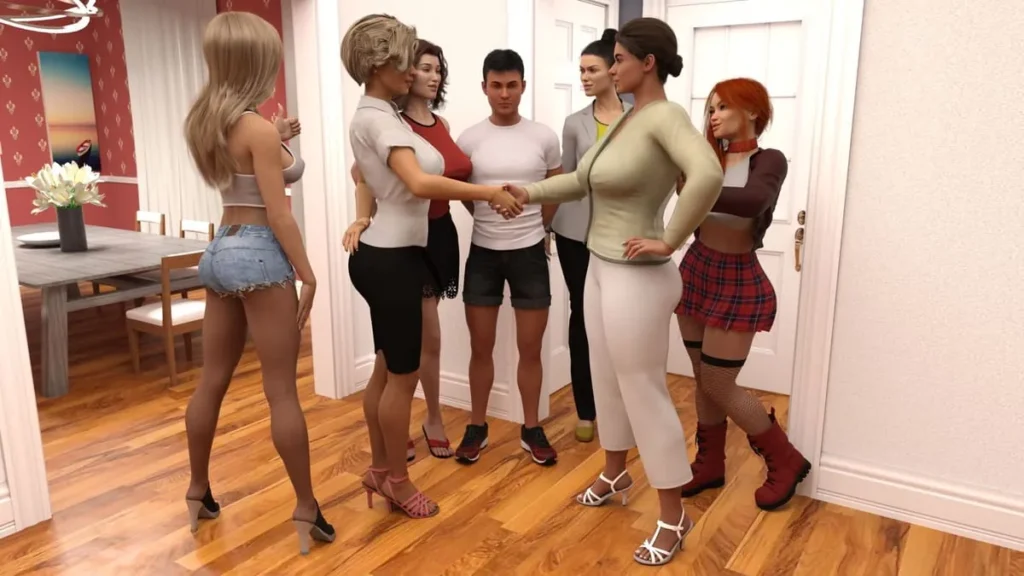
At its heart, Straitened Times presents a deceptively simple daily loop. You oversee a household trying to endure a period of severe scarcity. Each day, you assign tasks, decide how to use limited resources, and navigate conversations between a cast of characters with their own fears, histories, and simmering tensions.
Your primary objective isn’t just to keep the pantry from hitting zero—it’s to keep the social fabric from tearing apart. Think of it as two parallel survival meters: one for physical resources (food, medicine, firewood) and one for group morale and relationships. A full stomach means little if two characters are at each other’s throats. 🍞➡️🔥
The real progression strategies Straitened Times employs are hidden in this balance. You unlock new story beats, deeper character backgrounds, and alternative endings not by grinding a skill, but by carefully cultivating (or strategically damaging) the bonds between people. Do you force two conflicting characters to work together to build understanding, or keep them apart to prevent an explosion? There’s no universal right answer, only consequences. This makes every playthrough a unique narrative experiment.
Managing Conflict and Relationship Dynamics
This is where Straitened Times truly shines as a conflict management game. Every character has hidden relationship scores with the others, influenced by your decisions. A harsh word you allow during an argument, or a precious resource you give to one person over another, will shift these invisible meters.
The relationship dynamics in Straitened Times are the game’s true puzzle. Characters aren’t just stat blocks; they have memories. If Alice feels you consistently side with Bob during disputes, her trust in you—and her compliance with your decisions—will erode. This can lead to passive resistance, like her secretly hoarding food, or active rebellion during a critical moment.
Pro Tip: Pay less attention to what characters say in the moment, and more to the lingering mood after a conversation. A sullen silence is often a bigger warning sign than a shouted insult.
A classic pitfall that leads players to ask how to avoid game over in Straitened Times is ignoring these slow-burn conflicts. Letting minor spats go unresolved allows tension to compound. Eventually, a single spark—a missed meal, a broken tool—can trigger a cascade of accusations that fractures the group permanently. To help you navigate, here’s a breakdown of common triggers:
| Conflict Trigger | Immediate Effect | Long-Term Risk |
|---|---|---|
| Favoritism in Resource Allocation | Short-term gratitude from one, resentment from others. | Creates factions within the group, undermines your authority as leader. |
| Forcing Antagonists to Cooperate | High risk of a failed task or argument. | If successful, can greatly improve relations. If failed, can permanently damage them. |
| Ignoring a Character’s Personal Crisis | That character becomes less efficient. | They may act out irrationally, steal resources, or leave the safety of the house. |
| Revealing a Secret at the Wrong Time | Dramatic, immediate shift in group mood. | Can irrevocably destroy trust between specific characters, locking out story paths. |
Mastering these relationship dynamics means sometimes making a strategically “bad” social choice for a greater resource gain, or sacrificing a resource to calm a volatile situation. It’s a constant, thrilling tightrope walk. 🤹♂️
Key Gameplay Features and Controls
The Straitened Times controls and interface are designed to be minimalist, keeping you focused on decision-making rather than complex menus. Most interactions are point-and-click, but the timing and repetition of actions form a crucial, subtle layer of strategy.
The core screen is your household dashboard. Here, you’ll see character portraits (often reflecting their current mood through expressions 😠 😐 😊), a resource ledger, and the task list for the day. Clicking on a character lets you talk to them, assign them a task, or give them a specific item from your inventory.
The most important feature isn’t a button, but a mechanic: the ability to repeat and time your interactions. For example, visiting a character who is working alone multiple times in a day might increase their efficiency out of a desire for company, or it might annoy them and lower their mood. Checking in on a private conversation twice might yield more gossip the second time, or cause the speakers to clam up because they think you’re spying.
Here’s a quick reference for essential Straitened Times gameplay actions:
* Dialogue Choices: Your main tool. Options change based on time of day, character location, and recent events.
* Drag-and-Drop Assignment: Assign characters to tasks (foraging, repairing, guarding) by dragging their portrait. Watch for red lines or frowning faces—these indicate they really don’t want that job.
* Inventory Gift: Directly drag a resource (like medicine or a book) to a character portrait to give it to them. This is a powerful way to sway opinion or heal injuries.
* The Pause Function: Your best friend! The game runs in real-time during key scenes. Pause frequently to assess moods, check resources, and plan your next three moves without pressure.
Remember, the interface shows you the what, but you must deduce the why. A character’s slumped posture at the dinner table is a control telling you they’re defeated. The way two characters stand slightly apart while talking is a control hinting at distance. Learning this visual language is the final key to progression strategies in Straitened Times.
By understanding that every click is part of a fragile social ecosystem, you move from being a player to being a conductor of a tense, emotional symphony. You’ll stop fearing the game over screen and start seeing it as just one of many possible, fascinating conclusions to the story you’re weaving. Now that you know the rules of the world, you’re ready to step back in and truly shape it. Good luck—you’ll need more than just supplies. 🕯️✨
Straitened Times offers a rich and engaging gameplay experience that rewards careful strategy and attention to character dynamics. By mastering conflict management and understanding the core mechanics, players can unlock all narrative routes and enjoy the full depth of the game. Dive in with patience and curiosity, and you’ll find the journey both challenging and rewarding.